About Dry Scrubber
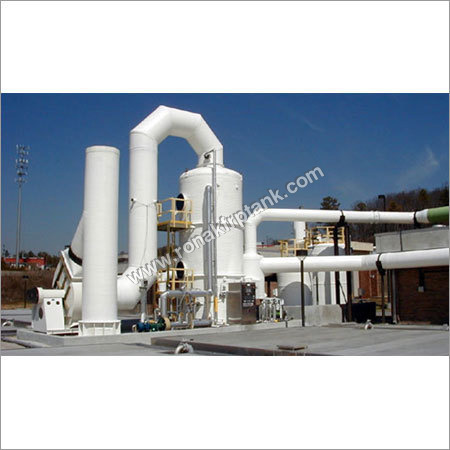
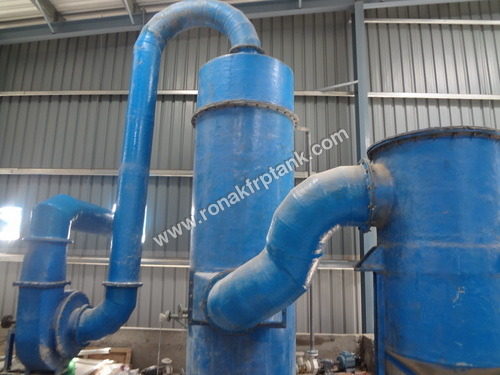
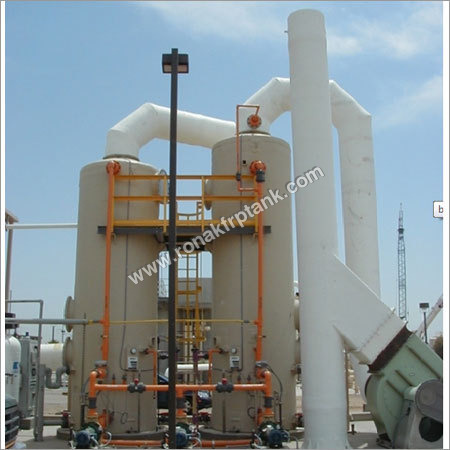
Our range of air pollution control equipment also comprises Dry Scrubber, which is made available to the clients in varied capacities and technical specifications. We manufacture our dry scrubbers using quality-tested material and technologically advanced machinery. Primary function of the Dry Scrubber offered by us is to remove acid gases from combustion sources, which is accomplished by firing a series of dry ingredients at high speeds into the gases. The procedure neutralizes the pollutants.
This is accomplished in the following three steps:
- The gas cooling system
- The reagent injection
- The filtration system
Salient features:
- Sturdy construction
- Long service life
Modular Efficiency for Industrial Air Pollution ControlThis dry scrubber features a compact, modular design tailored for seamless integration into industrial environments. Its flexible inlet and outlet connections ensure compatibility with a wide array of process requirements. The systems continuous operation and low maintenance needs make it especially suitable for medium to heavy-duty fume extraction, providing over 95% purification efficiency at a quiet noise level.
Durable Construction with Enhanced AccessibilityManufactured using high-grade mild steel and coated for maximal corrosion resistance, the scrubber offers robust protection against industrial wear and tear. The unit features 6 mm thick reactor walls, ensuring safety and longevity, while strategically placed access panels make inspection and maintenance operations straightforward and efficient.
Versatile Usage Across Industrial SectorsDesigned for versatility, this dry scrubber is extensively used for air pollution control and dust or fume extraction in various industries. It accommodates a wide range of applications due to its adjustable stages, continuous processing, and customizable color options. Its horizontal orientation and floor-mounted design further enhance installation flexibility.
FAQs of Dry Scrubber:
Q: How does the dry scrubber achieve high efficiency in air pollution control?
A: The dry scrubber utilizes a packaged unit design with advanced dry media and optimized internal flow patterns to remove airborne contaminants. Its modular construction allows for single or multiple filtration stages as per requirement, ensuring consistent removal efficiency exceeding 95% for dust, fumes, and other pollutants.
Q: What are the maintenance requirements for this dry scrubber system?
A: This scrubber is engineered for low maintenance due to its robust mild steel body, powder-coated surface, and easy access panels. Routine inspections and periodic replacement of the dry media are recommended to maintain peak performance, and all servicing tasks are simplified by accessible design features.
Q: Where can the dry scrubber be installed, and what are its typical applications?
A: The floor-mounted, horizontal orientation of the dry scrubber allows it to be easily installed in factory floors, process plants, and other industrial sites. It is particularly suited for air pollution control, dust collection, and fume extraction in industries such as manufacturing, chemical processing, and metalworking.
Q: What is the operating process and air flow capacity of the scrubber?
A: This unit operates continuously, processing air flows from 2,000 to 24,000 CFM. Contaminated air enters through the specified inlet size, passes through the dry media and reactor, and exits through the outlet, ensuring reliable contaminant removal within a pressure drop of 40 150 mm WG.
Q: When should I opt for multiple stages in the scrubber design?
A: Multiple-stage configurations are recommended for applications involving higher pollutant concentrations or when enhanced filtration is required. The systems modular design allows flexibility to tailor the number of stages depending on specific air quality compliance goals and process needs.
Q: What benefits does the modular and compact design of this scrubber offer?
A: The modular and compact footprint minimizes space requirements, facilitates straightforward on-site installation, and allows flexibility for system expansion or reconfiguration. This design not only saves valuable floor space but also ensures easier relocation or scaling as operational needs evolve.
 Call Us : 08045816860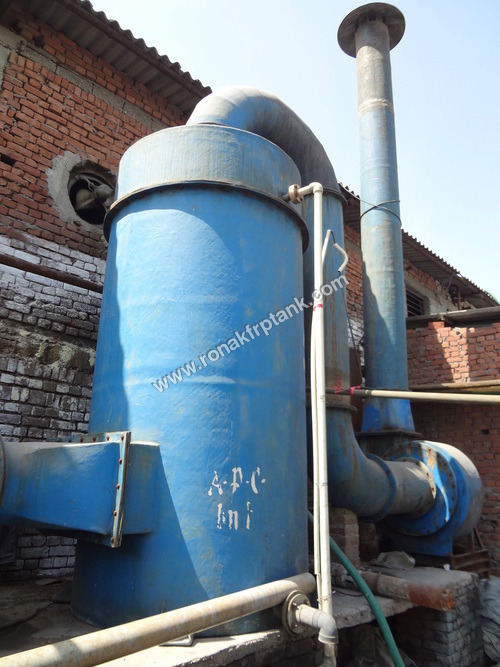

 Send Inquiry




 Send Inquiry

 Send Inquiry
 Send Inquiry
 Send SMS