FAQs of Air Pollution Control Unit:
Q: How does the centrifugal blower in this air pollution control unit operate?
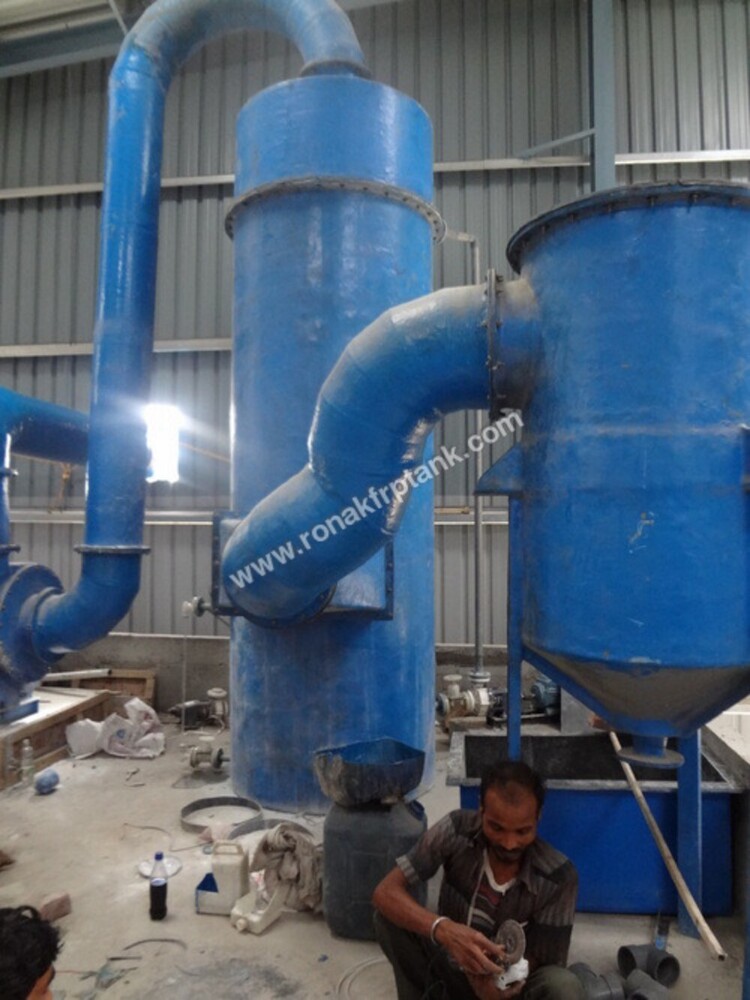
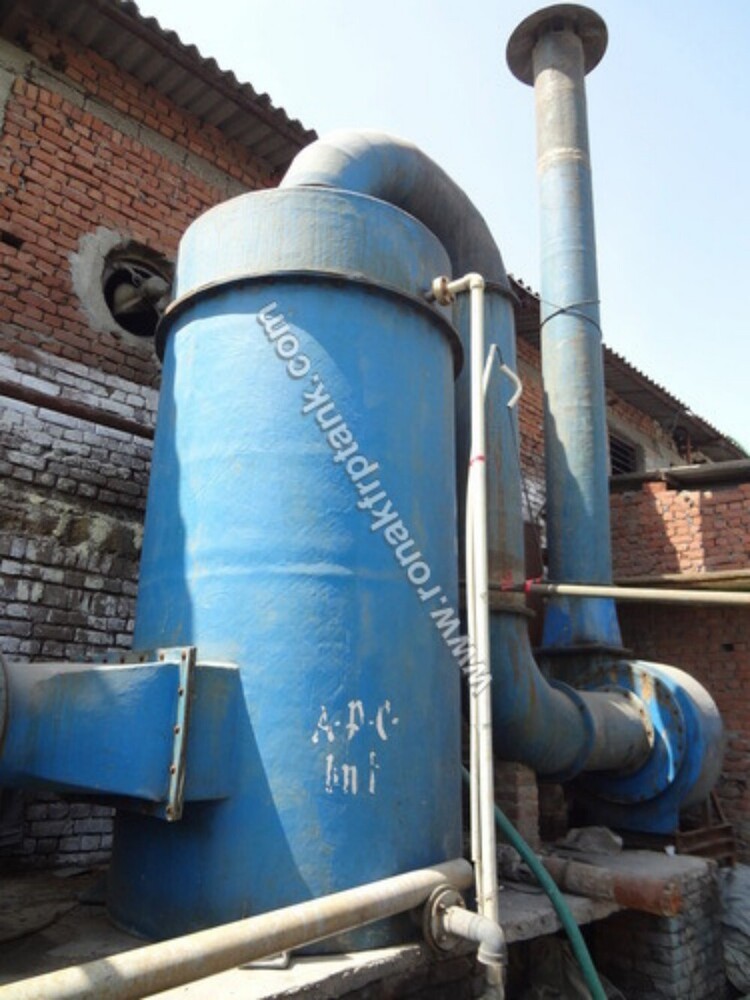
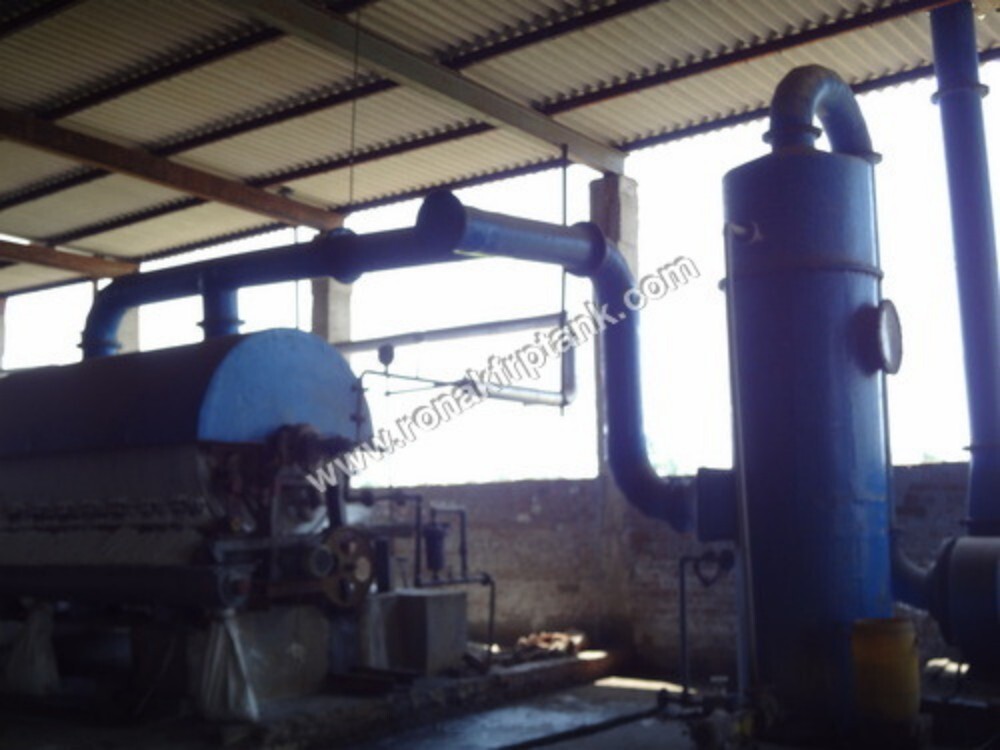
A: The centrifugal blower generates strong airflow by rapidly spinning its impellers, drawing contaminated air from the industrial environment through flanged duct connections. This air is then passed through the connected scrubber (packed bed or wet type), effectively capturing and removing pollutants.
Q: What makes the PLC-based control panel significant for operation?
A: A PLC-based control panel enables automated monitoring and adjustment of the units operating parameters. It streamlines air purification processes, supports both semi-automatic and automatic settings, and displays status information digitally, which enhances safety and operational efficiency.
Q: When should this air pollution control unit be used in an industrial setting?
A: This unit is ideal for continuous air purification processes in industries requiring robust dust and fume extraction, HVAC exhaust treatment, or compliance with emission standards. Its design suits processes that generate airborne contaminants during production or material handling.
Q: Where can this unit be installed for best performance?
A: The unit is engineered for floor-mounted installation in industrial facilities, manufacturing plants, or any environment requiring high-capacity air purification. Customizable dimensions and flexible orientation (horizontal or vertical) ensure seamless fitting with existing ductwork and equipment layouts.
Q: What is the process by which pollutants are removed in this system?
A: Contaminated air is drawn by the blower into the scrubber section, where it passes through a packed bed or wet media. Pollutants are absorbed or neutralized within the scrubber, and cleaner air is discharged through either a top or side outlet, depending on installation preference.
Q: How do users benefit from the integrated emission monitoring system?
A: The built-in emission monitoring system, with gas, dust, and smoke sensors, provides real-time data on pollutant levels. This enables prompt responses to pollution events, aids compliance with regulations, and supports proactive maintenance to ensure continuous high efficiency.
 Call Us : 08045816860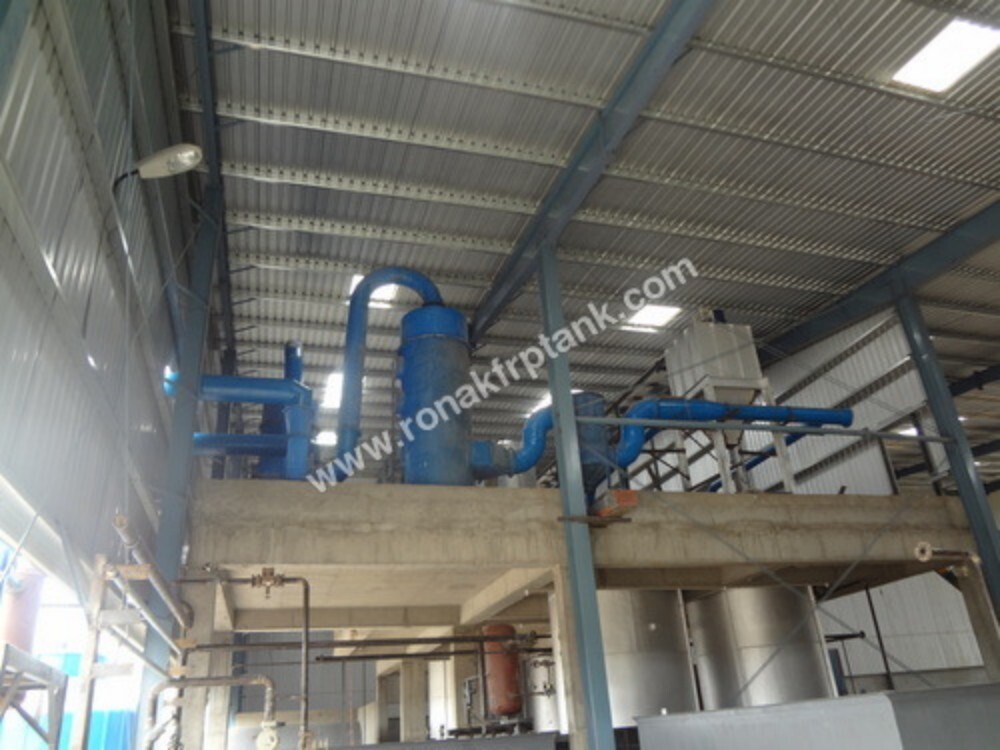


 Send Inquiry




 Send Inquiry

 Send Inquiry
 Send Inquiry
 Send SMS
 Call Me Free